If Swedish massage is about relaxation, Thai massage is about restoration. Known as assisted yoga, traditional Thai massage combines acupressure, deep stretching, and energy line work to open your body like no other spa treatment.
If you are searching for best massage for back pain, Thai massage for flexibility, or deep relaxation spa treatment, here are 7 powerful benefits that make it a must-try.
What Is Traditional Thai Massage?
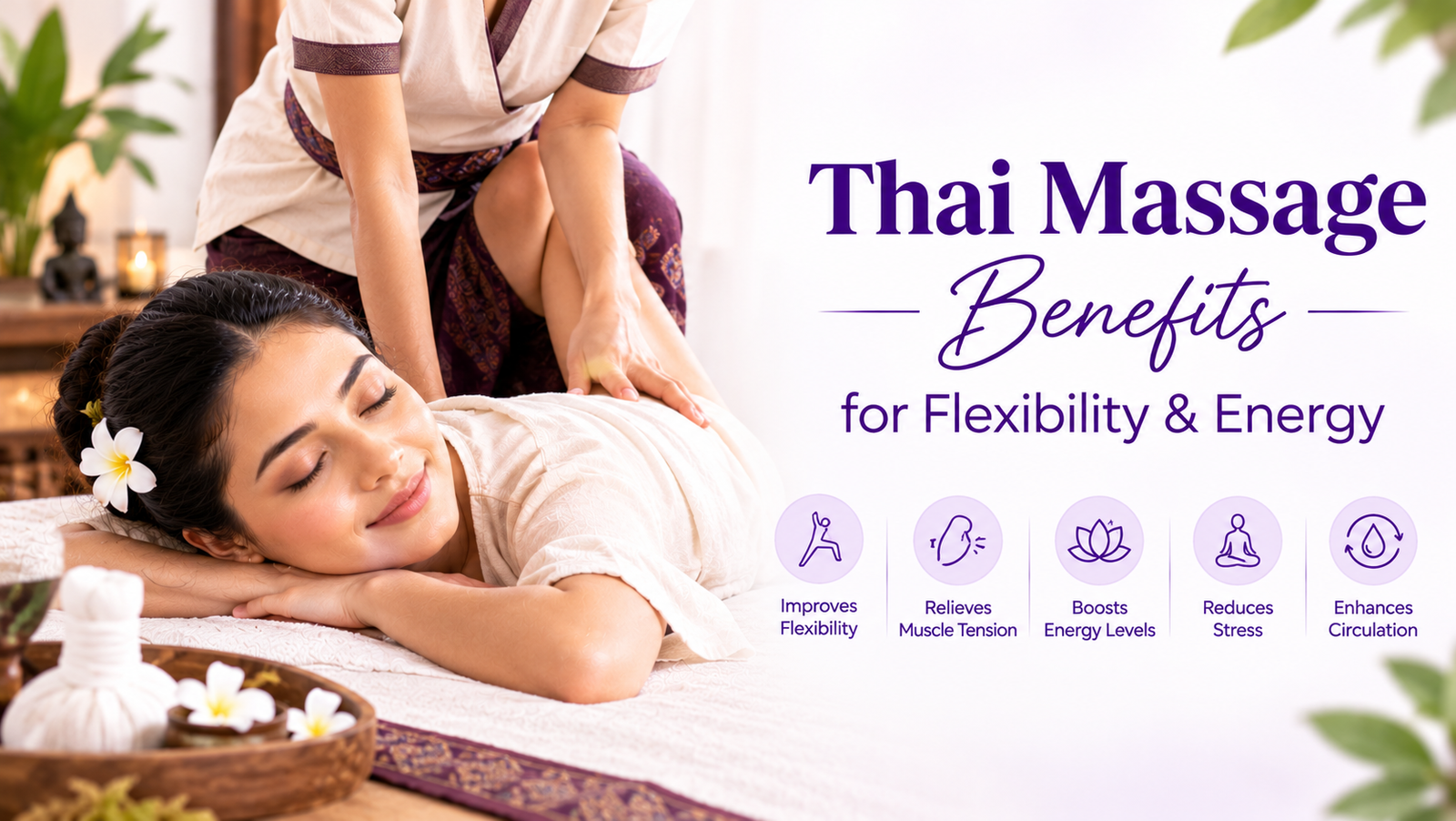
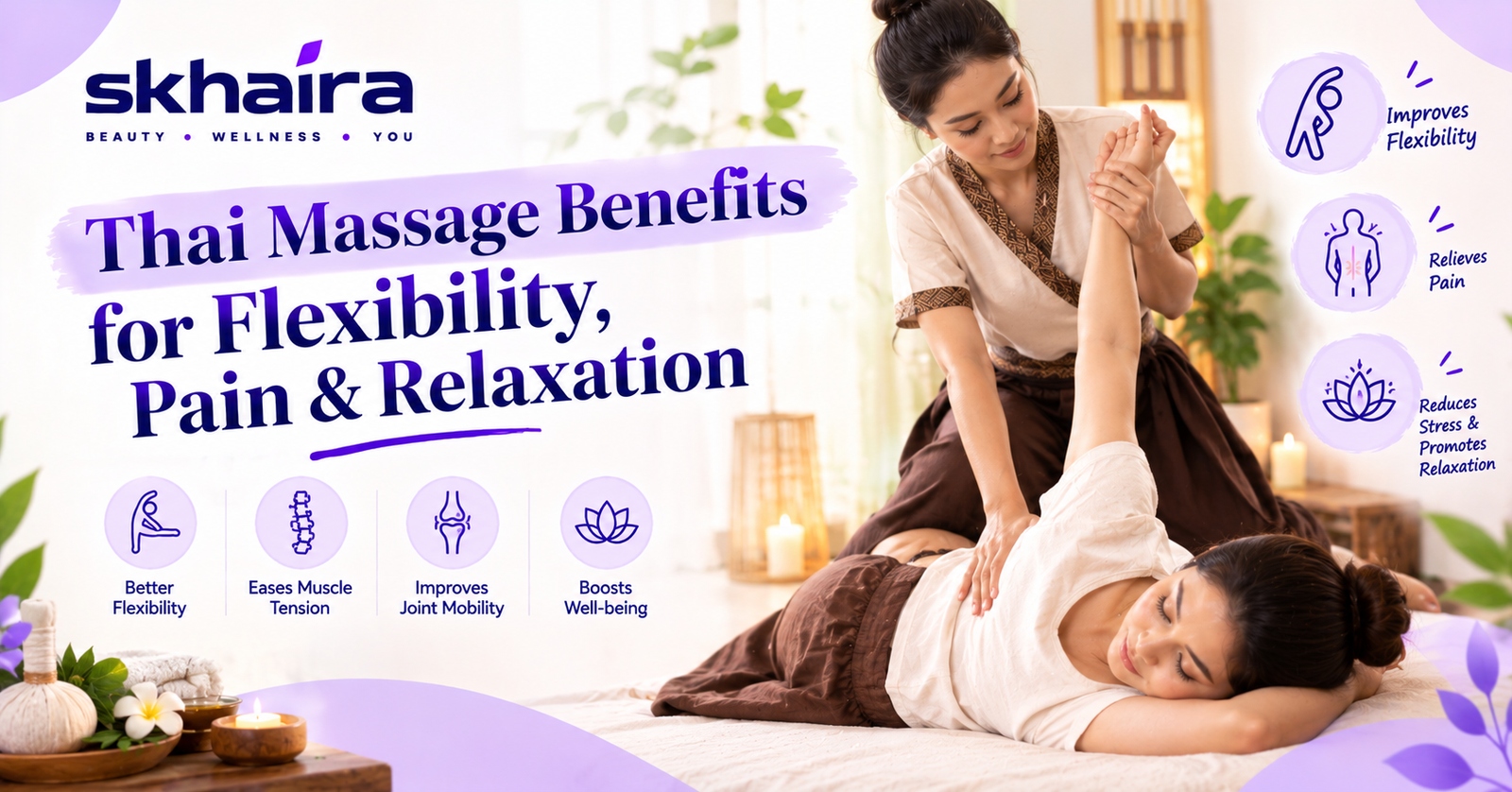
Unlike oil massages where you lie still, Thai massage is done on a floor mat in loose cotton clothes. The therapist uses hands, thumbs, elbows, and feet to apply pressure on Sen energy lines and guides you through yoga-like stretches. No oils, no machines, just ancient healing techniques from Thailand dating back 2500 years.
7 Benefits of Thai Massage You Need to Know
1. Improves Flexibility and Range of Motion
The assisted stretching lengthens hamstrings, hip flexors, and spine. Regular Thai massage can increase flexibility by 20-30% in a few sessions, making it ideal for desk workers and gym-goers with stiff bodies.
2. Best for Chronic Back and Joint Pain Relief
Deep pressure on lower back, shoulders, and knees releases muscle knots and improves joint mobility. Studies show Thai massage is more effective than Swedish for lower back pain and osteoarthritis pain.
3. Reduces Stress and Anxiety Naturally
The rhythmic pressing and stretching lowers cortisol and boosts serotonin. You leave feeling calm but energized, not sleepy, a unique Thai massage benefit.
4. Boosts Energy Flow and Circulation
Thai medicine believes energy flows through Sen lines. Blocked energy causes fatigue. Thai massage unblocks these lines, improving blood circulation for glowing skin and better sleep.
5. Better Posture and Alignment
Sitting long hours shortens front body muscles. Thai massage opens chest, stretches hip flexors, and realigns spine, correcting posture and reducing neck strain.
6. Headache and Migraine Relief
Pressure on neck, shoulders, and head points relieves tension headaches caused by stress and screen time. Many clients report fewer migraines after monthly sessions.
7. No Oil, More Detox
Since it uses no oil, it is perfect for oily skin, acne-prone body, and those who dislike sticky after-feel. The stretching stimulates lymphatic drainage, flushing toxins.
Thai Massage vs Swedish Massage: Which Should You Choose?
Choose Thai if: You want stretching, flexibility, pain relief, energizing treatment, and you are comfortable with active massage.
Choose Swedish if: You want gentle oil massage, pure relaxation, and sleep-inducing calm.
What to Expect in Your First Session?
Session lasts 60-90 minutes. You wear loose spa clothes. Therapist will ask about pain areas and flexibility. Communicate pressure level. Some stretches may feel intense but should never be sharp pain. Breathe deeply.
Aftercare Tips for Best Results
Drink warm water to flush toxins, avoid heavy workout for 12 hours, take a warm bath next day, stretch lightly daily to maintain flexibility. For best results, get Thai massage once every 2-3 weeks.
Who Should Avoid Thai Massage?
Avoid if you have recent surgery, severe osteoporosis, fractures, or are pregnant (prenatal Thai is different). Always inform your therapist about health conditions.
FAQs
Q. Is Thai massage painful?
A. It can feel intense due to deep stretching, but good therapists adjust pressure. Pain should be good pain, like a deep stretch, not sharp.
Q. Does Thai massage help with flexibility?
A. Yes, it is the best massage for flexibility. Regular sessions improve hamstring, hip, and spine mobility faster than just yoga.
Q. How long do Thai massage benefits last?
A. Relaxation and pain relief last 5-7 days, flexibility improvements last longer with regular sessions.
Thai massage is more than a spa luxury, it is body maintenance. From instant back pain relief to long-term flexibility and stress reduction, this ancient therapy heals both body and mind without oils or tools.
Book a 90-minute traditional Thai massage this month, your stiff back, tight hips, and tired mind will thank you.